
The ‘Non Negos’ Of Natural wine
In a world which values and preserves authenticity – Natural Wine is a way forward. Preserving and expressing pure varietal character and true sense of the soil, natural wines have elevated the tasting experience even as they respect and preserve the environment in which the wines come to be.
The indispensable link between nature and wine is what make wine unique. When you preserve this link by making wine without the use of additives and chemicals in the vineyard and winery, the wine rises to the high watermark of being called a natural wine. Interestingly though, the term natural wines does not have rules to begin with so different wine estates and winemakers have their own interpretation and approach towards making natural wines. So let’s try to understand what natural wine really is, what are the non- negotiables, where lies the controversy and disagreement in the natural wine world and my interpretation of natural wine. Let’s start with the absolute non-negotiables
Organic farming is a must
Farming grapes without chemicals is the key to make natural wines. The exceptions to this rule are several wine makers who don’t like certification as they think is too expensive or get frustrated with the paper work. That said, they take the practice of organic winemaking very seriously which shows through in their wines. So certified organic or not – both work.Use Of Native Yeast
Native yeasts are found on the skin of the grapes growing on the vine and are key for imparting a sense of the specific vineyard’s character in the wine and possibly, even the vintage. Fermenting the freshly crushed grapes using native yeasts, enhances the eventual wine’s aromatic expression and also its structure. Commercial yeasts will never yield similar results and therefore wines produced using these general yeasts do not qualify as natural wines.Use Of Zero Sulphite Or Little Sulphites
This is perhaps the most controversial subject in the natural wine world. Sulphites are preservatives and anti-oxidants which are added during winemaking and also during bottling. Purists believe that for wine to be called natural, it should have zero sulphites. However in the French natural wine scene, a tiny dose or 0 to 30 ml/litre of sulphites is allowed. This tiny allowance in fact enables producers to export the wine to a variety of international markets without any danger of spoilage. So, this small amount of sulphite ensures that more people can enjoy natural wines across the world. However, winemakers are not allowed to add any other additives during wine making. No exceptions.No Fining Or Filtration
Fining and filtration of wine risks stripping the ferment of its vital and defining flavour and character. It is certainly not an acceptable practice, especially if the winemaker wants to produce a natural wine. Few rare exceptions to the rule of outlawing filtration and fining is the allowance for light filtration, particularly for white and rose wines. Unfiltered white and rose wines might appear cloudy, which some wine consumers are uncomfortable with, hence the nominal accommodation.
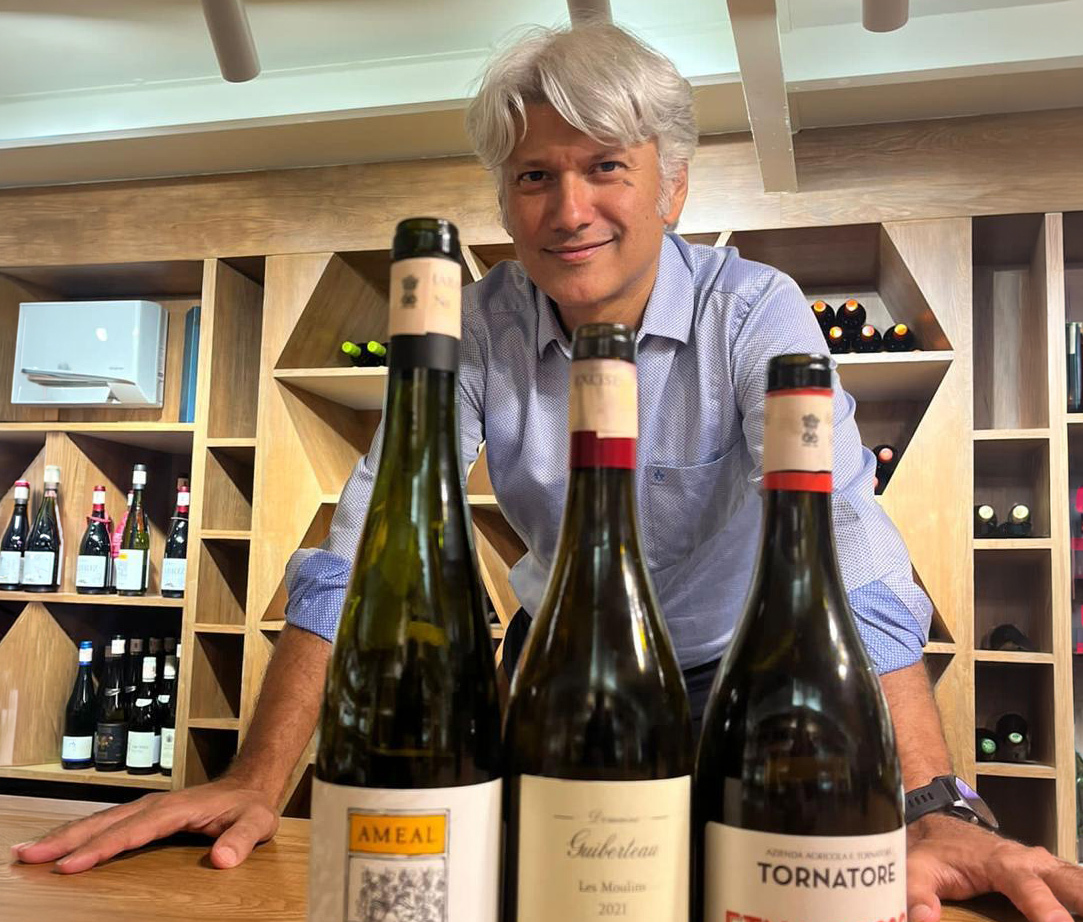
When the viticulturist and winemaker stays true to these five non-negotiables, notwithstanding the precious few exceptions, the wine is called natural. You can begin your tantalising journey of discovering natural wines, come browse Wine Park’s fabulous trove of brilliant and though provoking wine makers like Radikon, Heinrich, Loimer, Marco Pelletier, Guiberteau, Gramona and more.